Why Cheap Clothes Are Actually Expensive in the Long Run
Spending less at checkout feels like a win. A $12 shirt, a $20 pair of jeans — it adds up to savings, right? Not quite.
The true cost of cheap clothes rarely shows up on the receipt. It shows up later, in ways most shoppers never see coming.
The Illusion of Saving Money
Fast fashion is designed to feel affordable. Brands like Shein, Temu, and H&M push prices so low that buying feels almost consequence-free. But the average American now buys 68 garments per year and throws away about 81 pounds of clothing annually [1]. That cycle of buying and discarding is not saving money. It is a slow, invisible drain.
When you buy a $15 shirt that lasts four washes, you spend more per wear than if you had bought a $60 shirt lasting three years. The math is straightforward, yet the habit is hard to shake because cheap clothes keep the entry cost low enough to feel harmless.
Cheap Clothes Fall Apart Faster
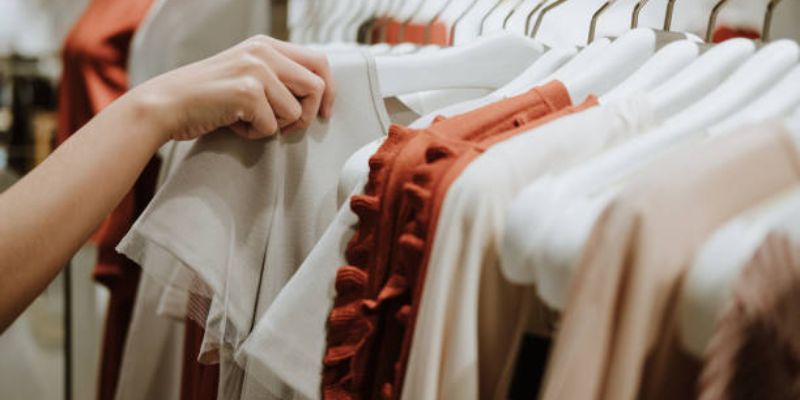
Low price points demand low production costs. That means thinner fabrics, weaker stitching, cheaper dyes, and shortcuts in construction. A polyester blouse from a fast fashion brand may pill after the first wash, lose its shape within weeks, and fade within a month.
This is not accidental. The fast fashion business model depends on repeat purchases. Durability would kill sales. So the product is engineered, consciously or not, to break down quickly and push you back into the shopping cycle.
The Hidden Environmental Tax You Are Paying
Fast fashion is the second-largest consumer of water globally and accounts for roughly 10% of global carbon emissions. The fashion industry produces 92 million tons of textile waste every year [2]. That waste does not disappear. It ends up in landfills, rivers, and oceans, and the cleanup costs are ultimately shared by society through taxes, environmental damage, and public health impacts.
When you buy cheap clothes, part of the true cost is being passed onto communities near production sites, water systems, and future generations. The sticker price was always subsidized. Someone else just paid the difference.
Microplastics Are Showing Up Everywhere, Including Your Body
Most cheap clothes are made from synthetic fibers like polyester, acrylic, and nylon. Every wash cycle releases thousands of microplastic particles into the water supply. These particles are now found in human blood, breast milk, and lung tissue.
A 2024 study found microplastics in every human placenta tested. The health implications are still being studied, but the presence alone is alarming. Cheap clothes are not just a financial problem. They are a slow, ongoing exposure risk that no price comparison can fully account for.
Labor Exploitation Has a Price, and You Share It
The reason fast fashion can sell a dress for $8 is that someone, usually a woman in Bangladesh, Cambodia, or Vietnam, was paid a fraction of a living wage to make it. Wages in garment factories in some of these countries sit around $95 to $120 per month, nowhere near enough to cover basic living expenses.
That wage gap is the hidden subsidy behind every "affordable" piece of clothing. The cost was always there. It was just transferred to the most vulnerable people in the supply chain.
The Psychological Spending Trap
There is a well-documented behavioral pattern called the "urchin effect" or, more broadly, the scarcity mindset spending loop. When items are priced cheaply, shoppers feel less friction making a purchase. This leads to volume buying, closets stuffed with things that never get worn, and a persistent feeling that there is never anything to wear.
Researchers at Ohio State University found that people who engage in heavy fast fashion consumption report lower satisfaction with their wardrobes than those who buy fewer, higher-quality pieces. The abundance paradox is real, and it costs money, space, and mental energy.
Resale Value Is Almost Zero
Quality clothing from reputable brands holds resale value. A well-made coat or a pair of premium denim jeans can be resold for 40% to 60% of their original price on platforms like Poshmark, eBay, or ThredUp. A fast fashion piece from Shein or Primark? It is essentially worthless on the secondhand market.
This means every cheap clothing purchase is a guaranteed total loss. There is no exit strategy. You wear it until it falls apart, then you throw it away. That is a closed, expensive loop dressed up as savings.
The Dry Cleaning and Care Cost Nobody Mentions
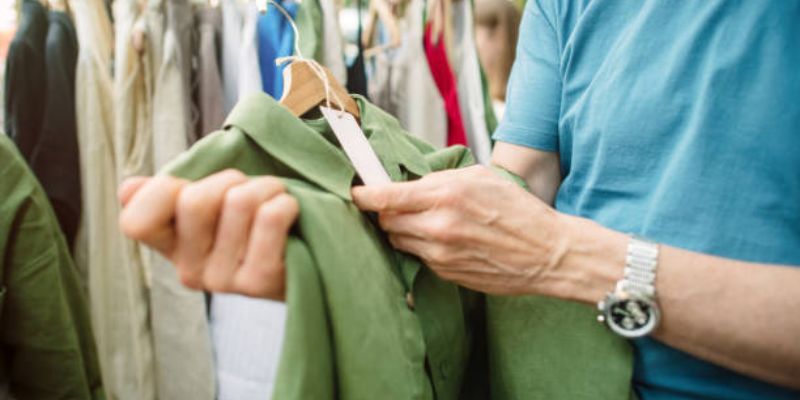
Cheap clothes often require more careful handling to survive even a few wears. Delicate fabrics, poor construction, and cheap zippers mean more hand-washing, air-drying, and careful storage. When something does get damaged, repairs often cost more than the item itself, which means it gets tossed instead.
Higher-quality garments, paradoxically, tend to be more machine-washable, more durable under normal care, and cheaper to maintain long term. The convenience factor of fast fashion often breaks down in the laundry room [3].
What Buying Better Actually Looks Like
Shifting away from cheap clothes does not mean buying luxury. It means thinking in cost-per-wear instead of cost-per-item.
A $120 wool sweater worn 150 times over five years costs $0.80 per wear. A $25 acrylic sweater worn 10 times before pilling costs $2.50 per wear.
Brands like Patagonia, Everlane, Uniqlo, and Allbirds have built reputations around durability and transparency. Thrift stores and secondhand platforms offer quality without the original markup. The goal is fewer purchases, better choices, and a wardrobe that works harder per piece.
The Wardrobe Reset Worth Considering
The most financially sound approach most style experts and financial planners now recommend is a smaller, more intentional wardrobe. Not a capsule wardrobe in the rigid, aesthetic sense, but a practical edit of pieces that fit well, hold up over time, and actually get worn.
Buying cheap clothes constantly to fill perceived gaps in a wardrobe is treating a symptom, not the problem. The problem is usually a lack of a clear style identity or a habit of impulse buying driven by low prices, not genuine need.
The Real Cost Has Always Been Higher
The checkout price was never the full story. Between environmental damage, health risks from microplastic exposure, labor exploitation, zero resale value, and rapid deterioration, cheap clothes carry a cost that compounds over time.
The smarter financial move is to slow down, buy less, and choose quality over quantity. Your wallet, your wardrobe, and a lot of people you will never meet will be better off for it.
References
[1] Fashion's Tiny Hidden Secret – https://www.earth.org
[2] Putting the Brakes on Fast Fashion – https://www.unep.org
[3] The Business of Fashion – https://www.businessoffashion.com
Related Posts
Business Casual Outfits Men A Practical Guide to Dressing Sharp Without Overthinking It

Casual Interview Outfits A Practical Guide to Dressing Confidently for Modern Job Interviews

2026 Sustainable Dresses Trends: Fabrics, Colors, And Silhouettes To Watch
Why Are Sustainable Handbags More Expensive? Here's What You're Paying For
Plant-Based Leather: Sustainable Alternatives To Traditional Leather